About
About
A short, mostly chronological account of what I’ve been doing, with the awards kept to the margins where they belong.
Now
I’m a first-year at Stanford, studying bioengineering. I’m drawn to neurotechnology, to brain-computer interfaces and biomedical devices, and especially to the places where biology, hardware, materials and signal processing have to agree with one another.
Outside of that I like building things, writing, thoughtful design, sports, and learning across disciplines.
The lab
My first lab job was the summer of 2023, as an intern at TrueBinding Inc., helping company scientists with assays and cell work, then presenting the results to a panel of their scientists.
Two summers later, at Suninflam Inc., I designed a study of my own: whether an antibody against one inflammatory protein, galectin-3, could calm the brain’s immune response to an implanted electrode. It was published, and it won the AAN Neuroscience Research Prize.2026 Neuroscience Research Prize, American Academy of Neurology. One of three high school recipients nationwide. I presented the work at the Annual Meeting in Chicago. The longer, plainer account is on the research page.
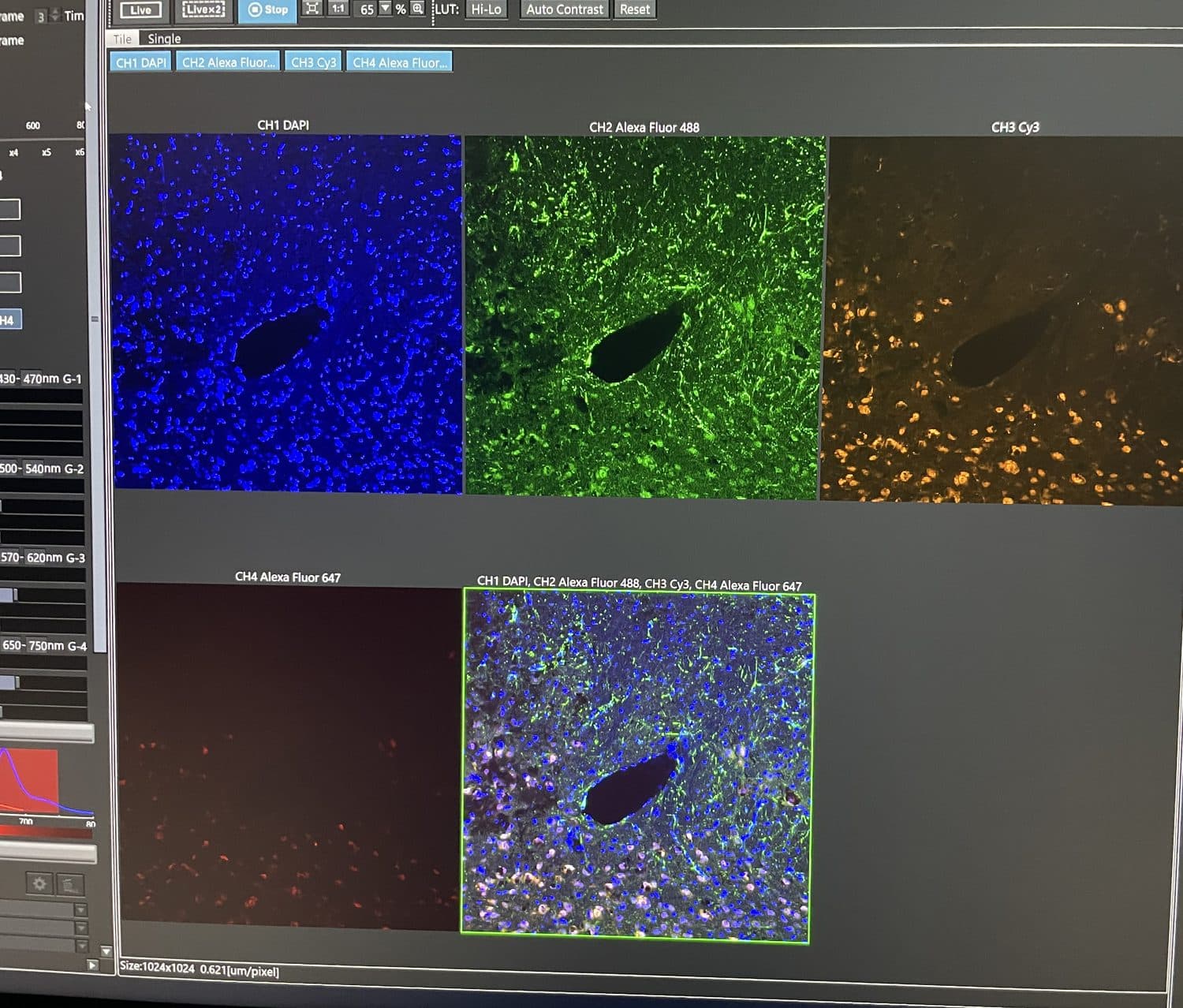
the tissue
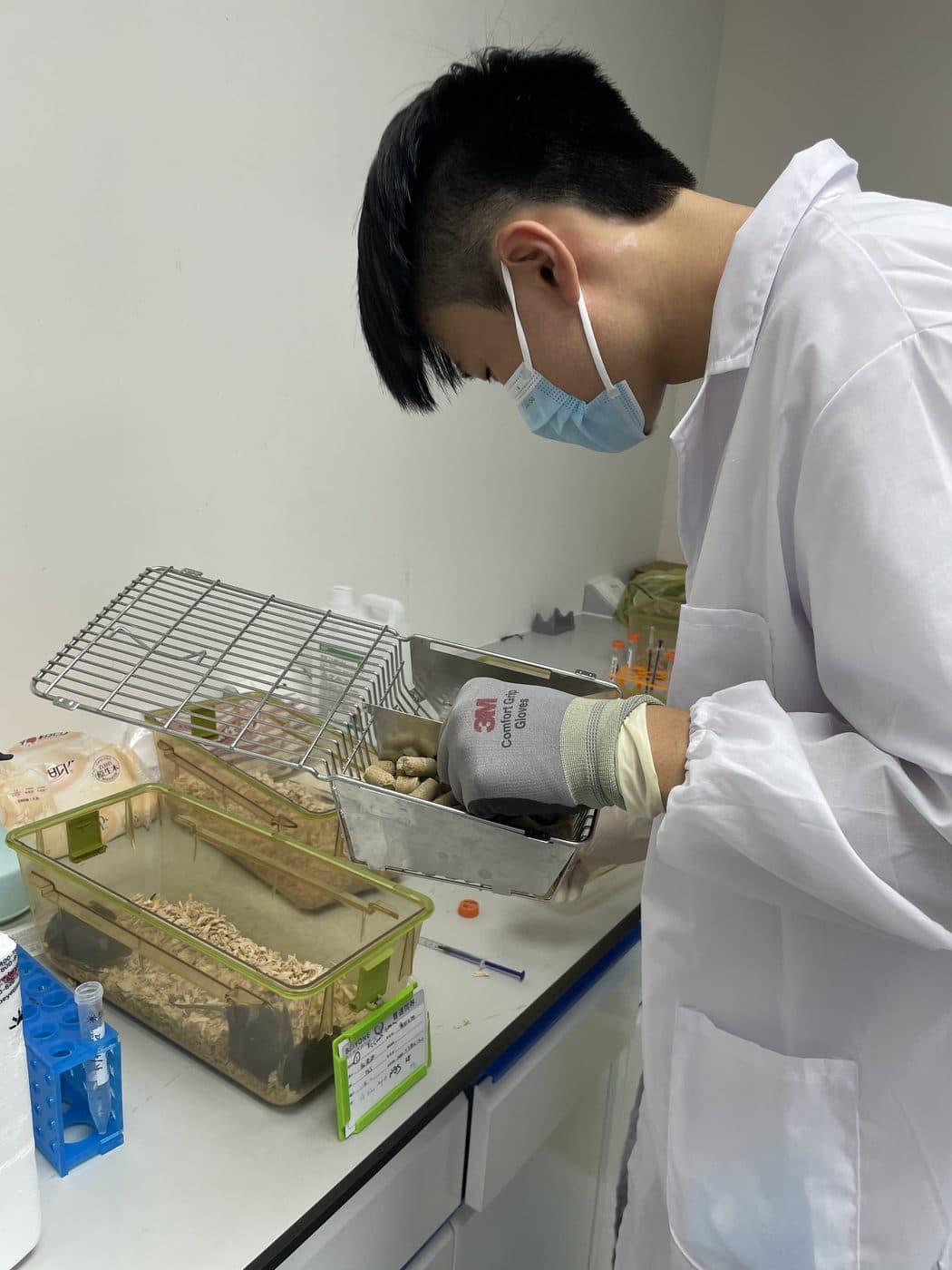
in the lab
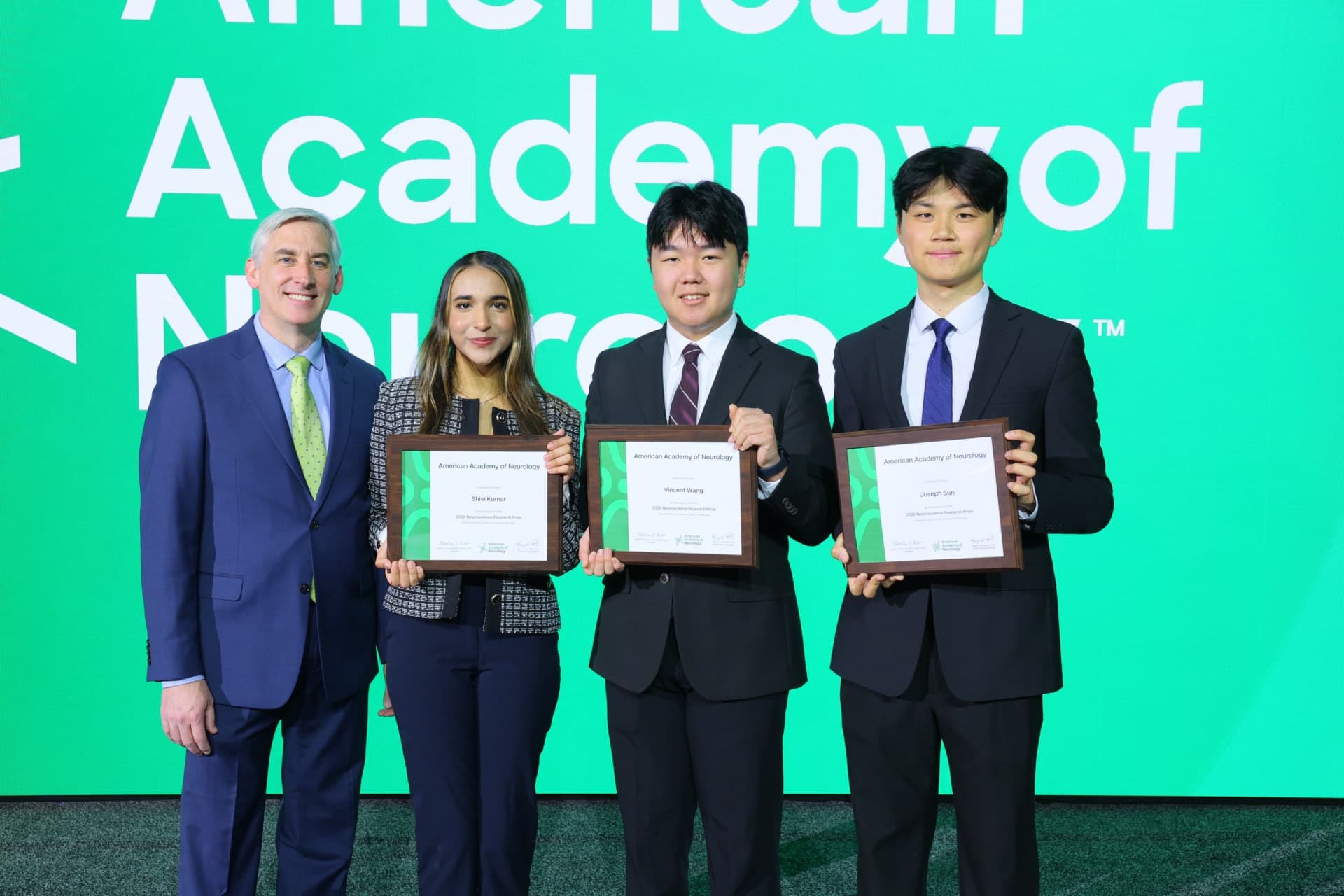
the AAN prize
Drag to move the photo, or use the arrow keys. Press Enter to open it.
Debate
I’ve been in competitive debate since 2022, first as a captain at Palo Alto High School and now as an assistant coach, working with eighteen freshmen on case writing, argument structure, and cross-examination. As captain, and now as a coach, I have raised my team’s ranking to #3 in California and #24 in the nation. Lincoln-Douglas, the one-on-one format built around a question of values, is my event. In 2025 I won the Stanford Invitational Lincoln-Douglas championship, and the Stephen Stewart Invitational.First place, Open California Lincoln-Douglas Debate, 39th Annual Stanford Invitational, 2025. I also won the Bay Area District Qualifier, was ranked #1 in the Bay Area, and qualified for state twice and for nationals once.
What I like most is making an argument that a layperson can follow, and teaching my strategies and techniques so that people younger than me can enjoy debate too. Outside my own team, I designed a beginner-friendly Lincoln-Douglas curriculum for Speak with a Purpose that reached more than a thousand students at over thirty schools through the Silicon Valley Urban Debate League. I wrote about learning to be a beginner again afterward, in My Next First Round.I was also one of 140 students, out of 140,000, to receive the National Speaking and Service Award, for leadership and service.
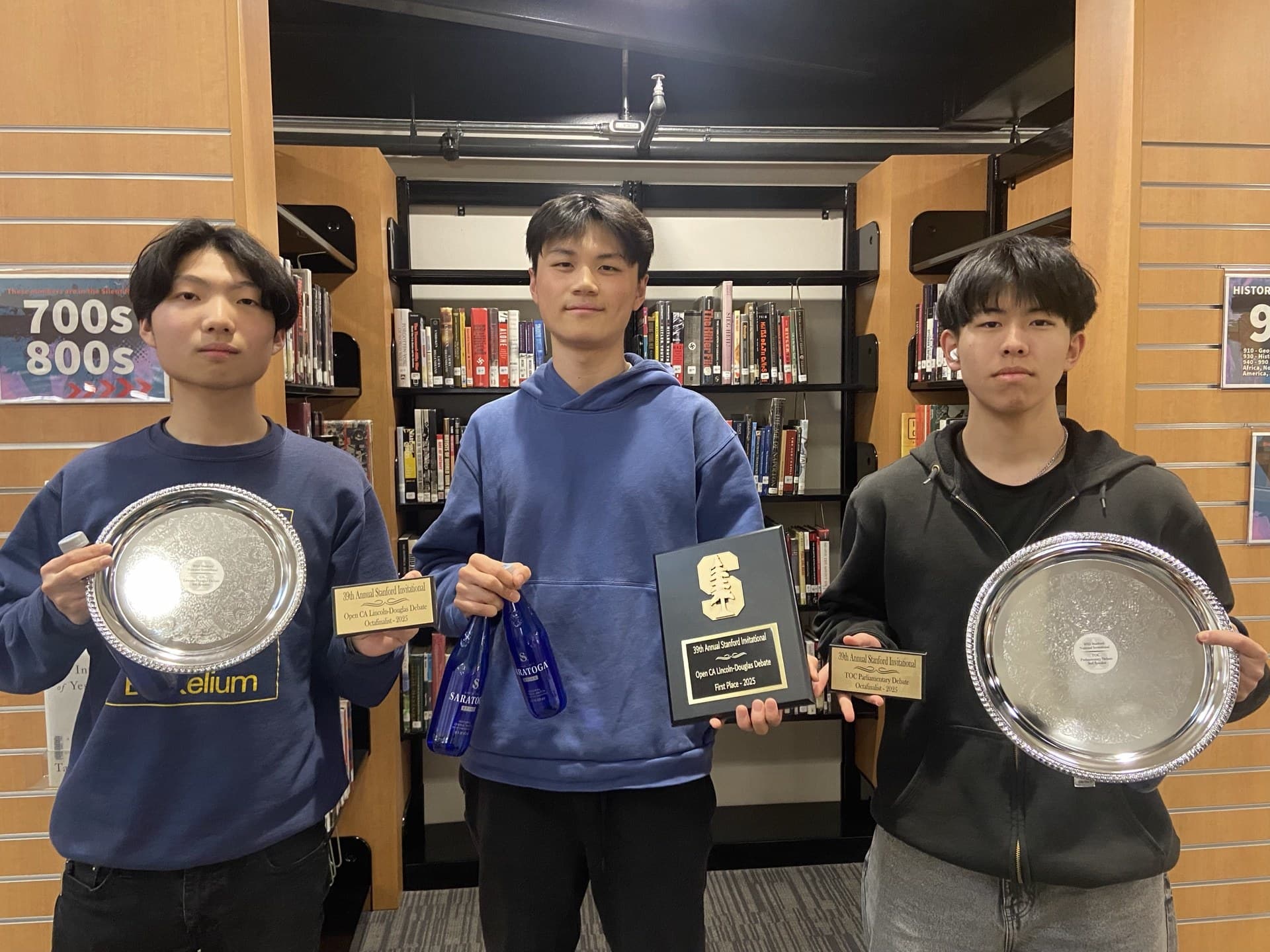
Stanford, 2025
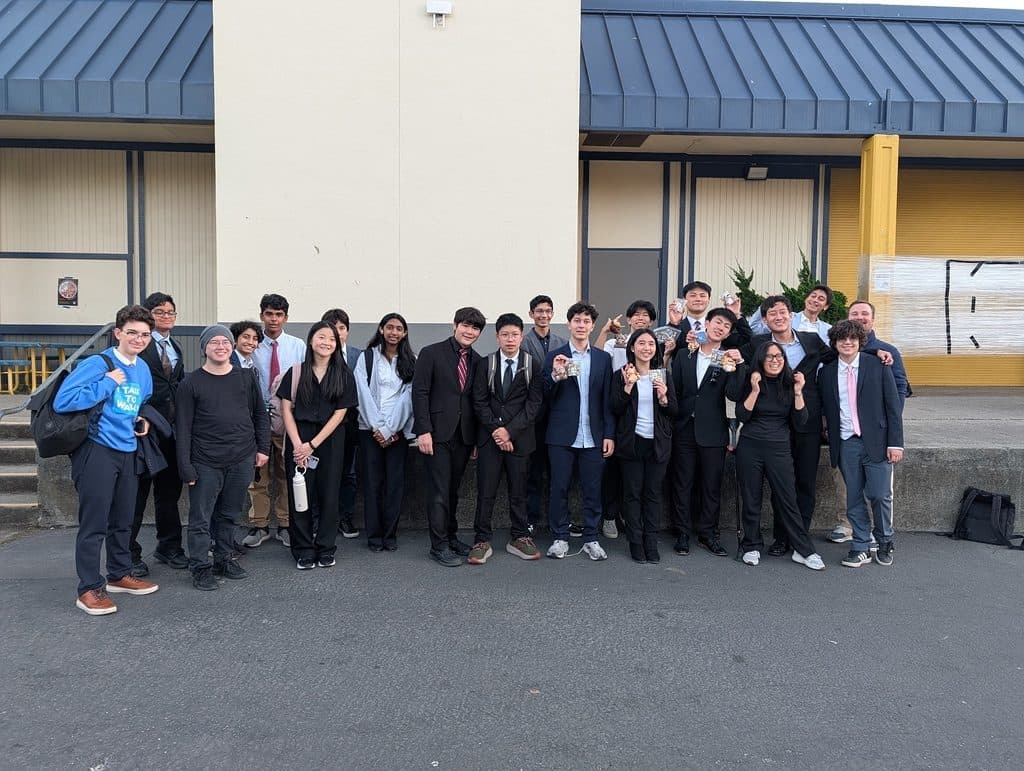
the team
Drag to move the photo, or use the arrow keys. Press Enter to open it.
The camp
The Palo Alto Speech & Debate Camp is one of my favorite things I’ve done, because it let me be an entrepreneur. I directed it for two summers. I introduced a three-tier pricing system, made up a two-versus-two team format, planned the logistics for ten months a year, and trained more than sixty counselors. We taught 742 students, and ActivityHero named it the #1 Language Arts Camp of 2025.ActivityHero’s Best of 2025 Award, for Language Arts camps. The case study has the numbers and the decisions.
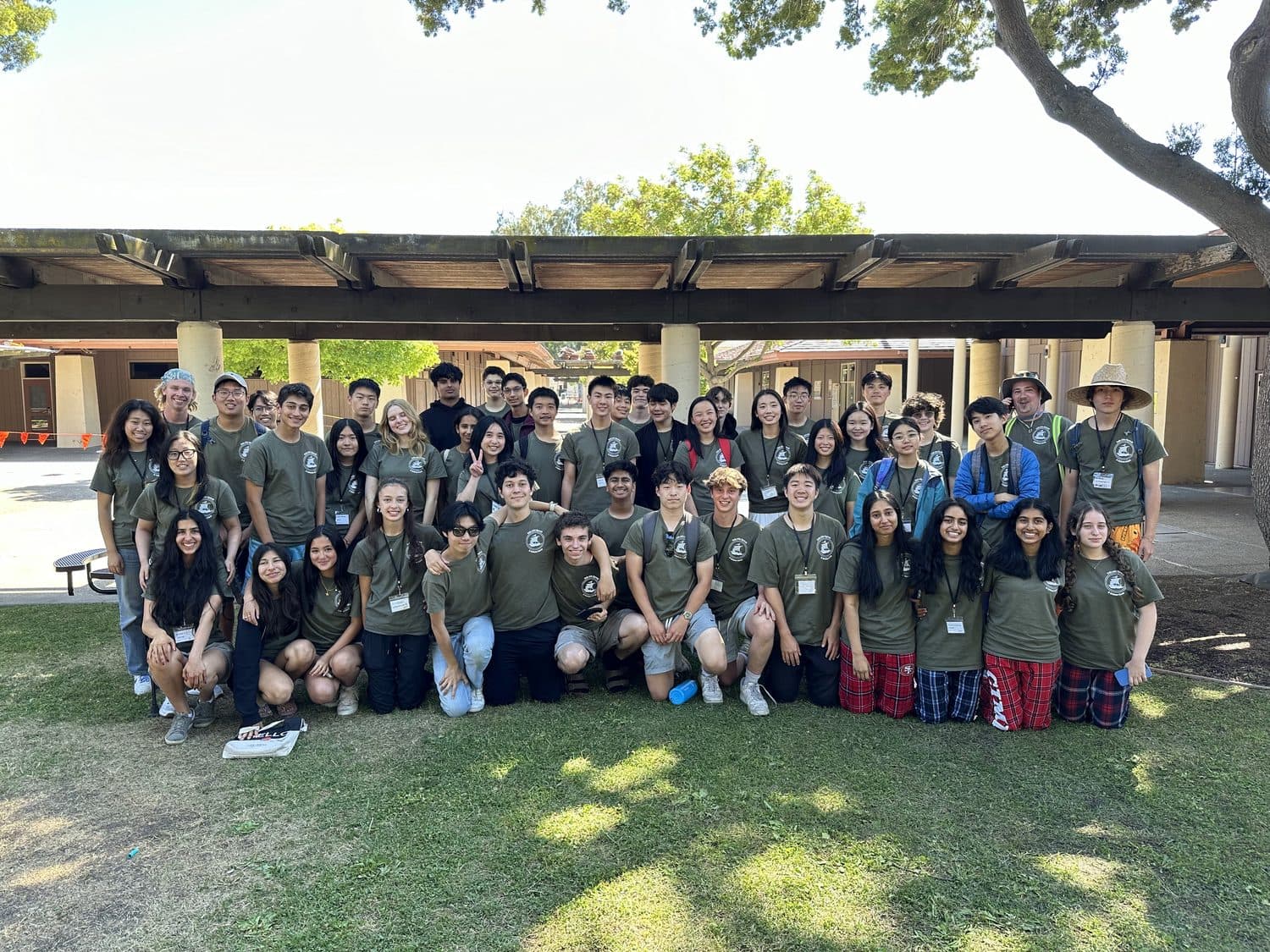
the staff
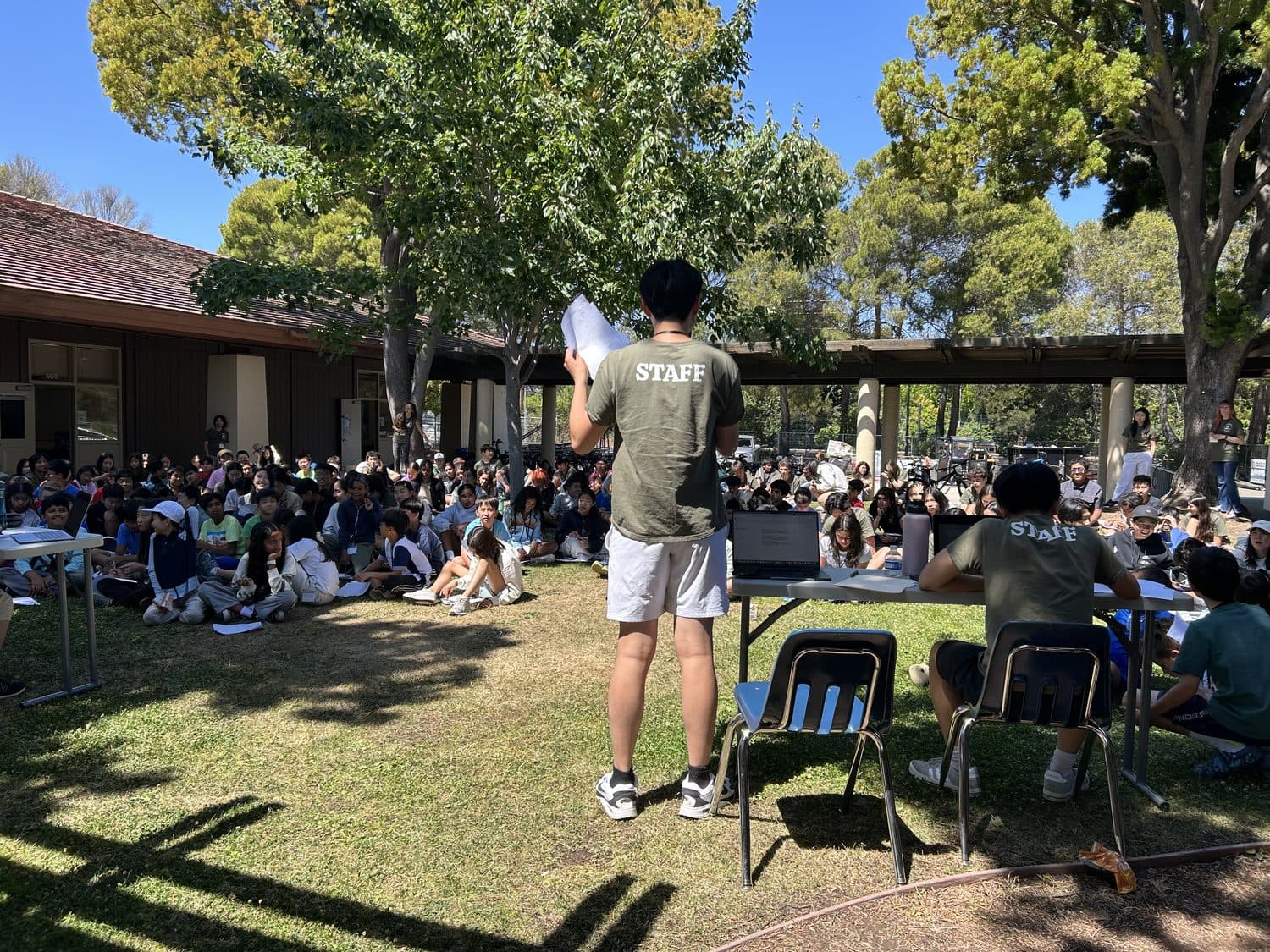
addressing the camp
Drag to move the photo, or use the arrow keys. Press Enter to open it.
NeuroView
I co-founded NeuroView with five other students, after I started a biochemistry club and found how hard it was to build slide decks without wading through insanely technical language. It simplifies research papers into teaching modules. More than twenty neuroscience clubs on four continents now use the curriculum. The case study has the details, and the articles are on neuro-view.org.
Building
PaperDive is a reader for scientific papers, and Ember is an early-stage wearable for chemotherapy recovery, being designed with a team. There is a page for each under projects, including what doesn’t work yet.
Recognition
The few things that came with a certificate, kept in one place.
- 2026Neuroscience Research PrizeAmerican Academy of Neurology. One of three high school recipients nationwide. Presented the research at the AAN Annual Meeting in Chicago.
- 2025Best of 2025: #1 Language Arts CampActivityHero. For the Palo Alto Speech & Debate Camp, which I directed.
- 2025Champion, Open California Lincoln-Douglas Debate39th Annual Stanford Invitational
- 2025ChampionStephen Stewart Invitational